Entertainment routines have changed quietly over time. Many people no longer plan their evenings completely around television schedules because connected streaming systems now allow viewing to happen more naturally throughout the day.
The flexibility feels easier to manage compared to older television habits where timing controlled most of the experience.
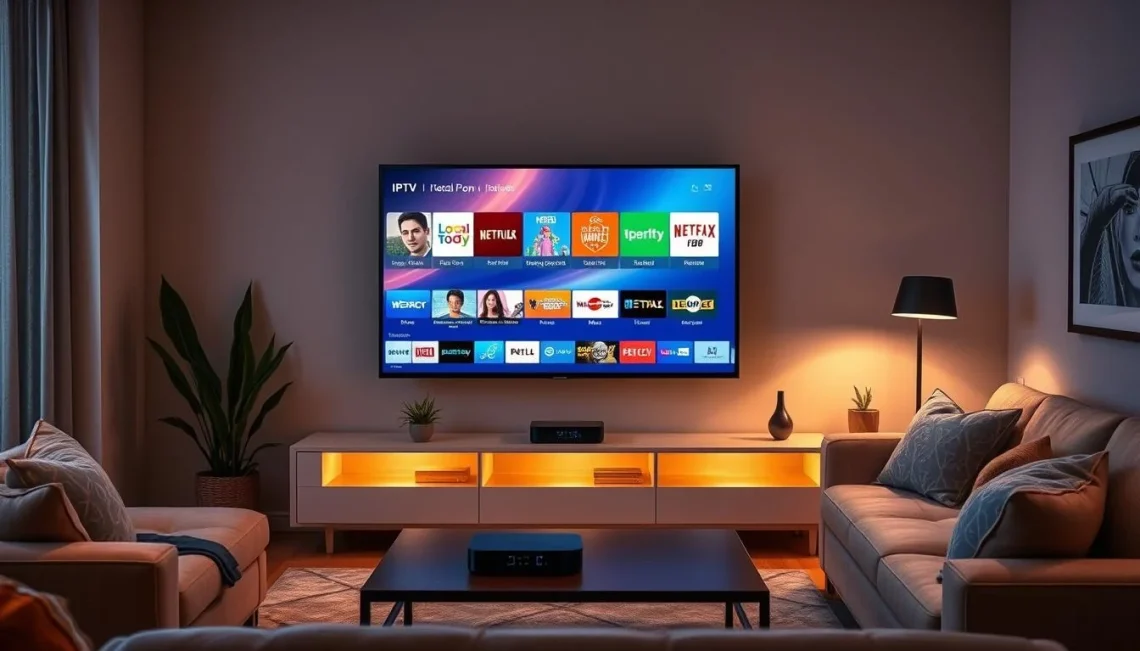
For users exploring IPTV Providers, the interest often comes from practical viewing convenience and smoother access across devices instead of temporary features that may change later. Comfort and viewing flow usually matter much more during regular use.
What makes internet television viewing feel more flexible
Internet based television systems allow entertainment access across different devices and environments without limiting viewers to one location.
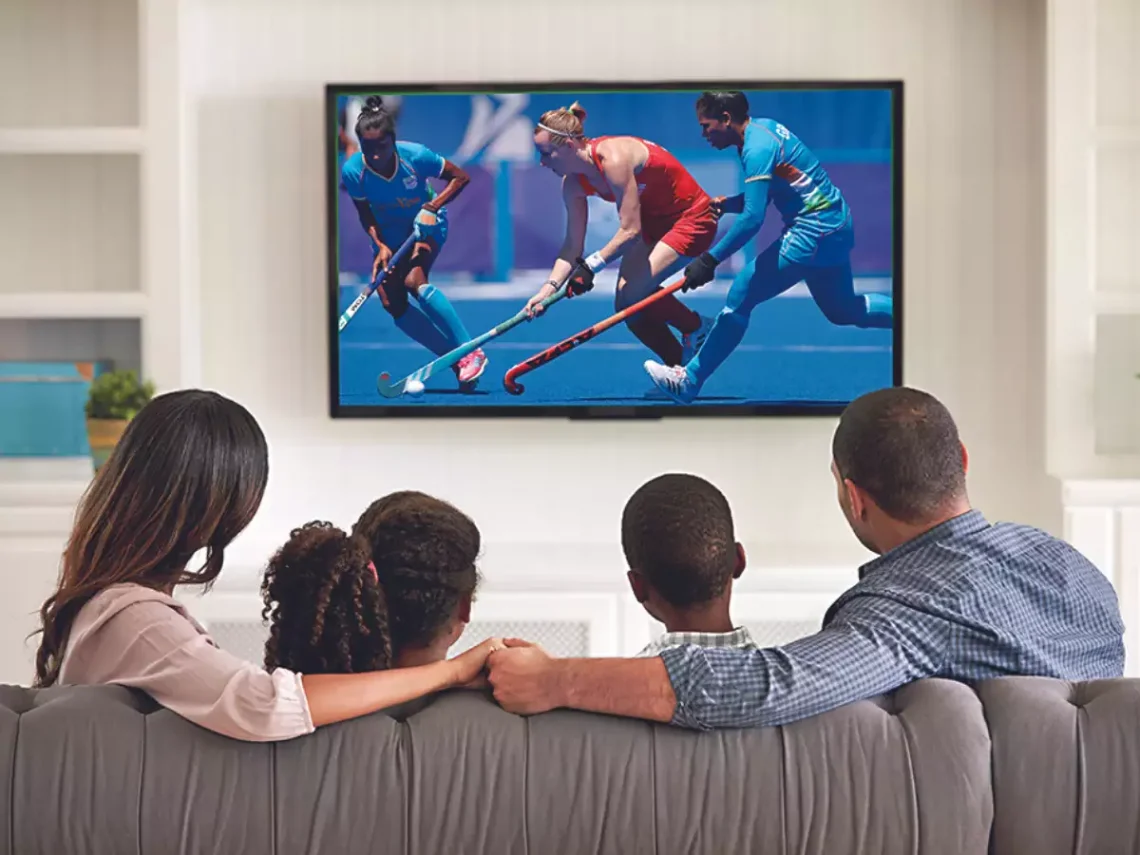
That flexibility changes daily viewing behavior quite a bit. A person may begin watching live content in the living room, continue later through a tablet, and casually browse entertainment sections before sleeping. The transition between devices feels normal now.
Some common viewing situations include:
- Short viewing sessions during busy schedules
- Evening movie watching on larger screens
- Background television during household activities
- Casual browsing through smaller devices
- Weekend entertainment across family spaces
These habits continue becoming part of everyday routines for many households.
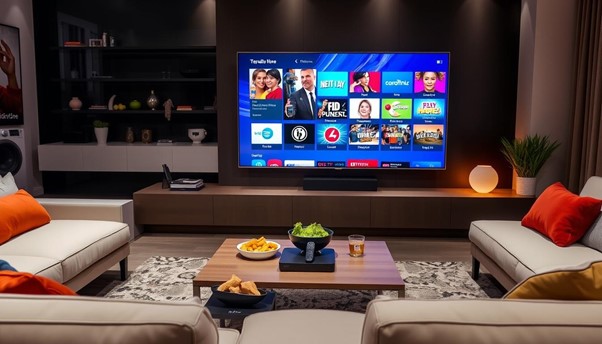
What users usually notice during longer watching sessions
Longer viewing sessions often reveal details that casual browsing may not show immediately. Navigation flow, playback comfort, browsing simplicity, and layout familiarity all become more noticeable with regular use.
A few viewing elements people commonly appreciate include:
- Easy browsing between entertainment sections
- Smooth playback continuity
- Simple navigation layouts
- Comfortable search functions
- Clear organization of content categories
Sometimes the simplest viewing systems end up feeling the most relaxing because users do not need to think constantly while navigating.
That small detail matters more than many expect.
Why content organization matters during browsing
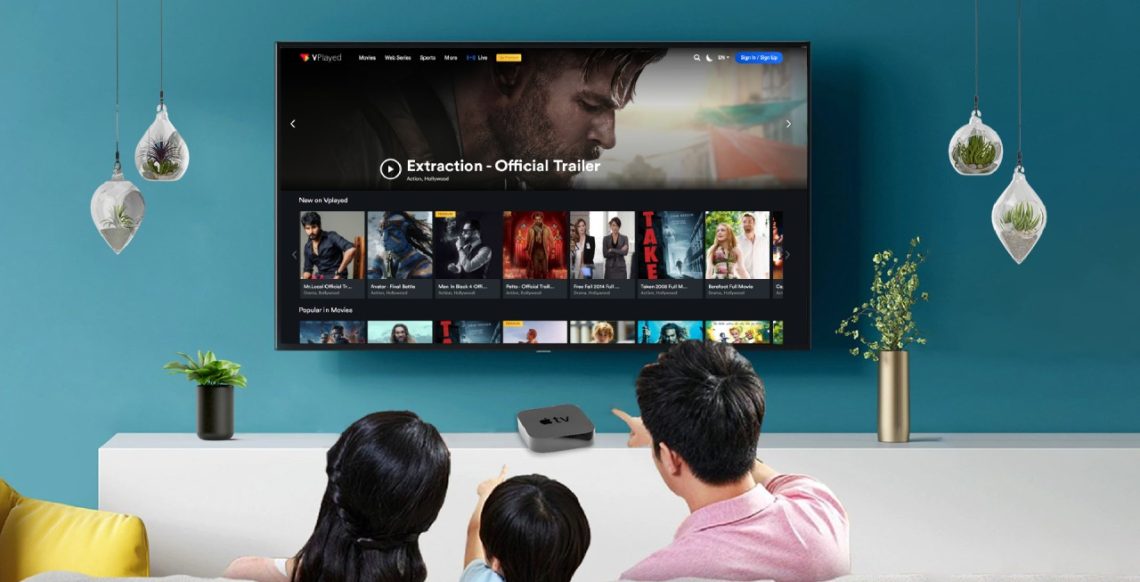
Content organization strongly affects how viewers interact with entertainment systems. Clear category separation often helps users browse more comfortably instead of feeling lost inside large menus.
Some viewers already know exactly what they want to watch. Others prefer exploring casually before deciding.
Both viewing styles depend heavily on navigation comfort.
And sometimes people spend more time browsing than actually watching during relaxed evenings. The experience should still feel smooth during those moments rather than frustrating or cluttered.
How streaming access supports different daily routines
Entertainment habits differ widely between households and individuals. One person may only watch television briefly after work while another enjoys several hours of entertainment throughout the evening.
Connected streaming systems support these differences naturally.
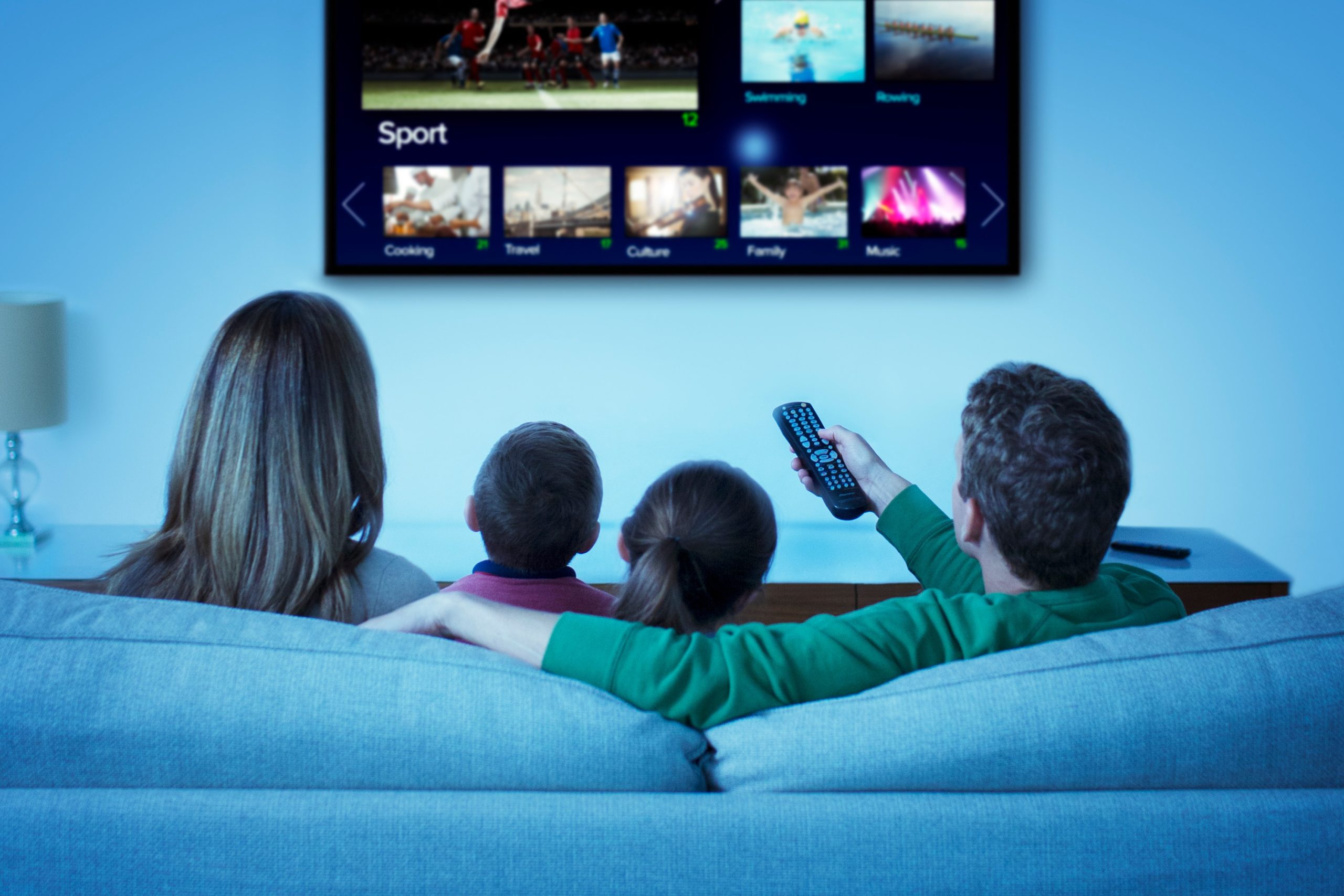
Some viewing environments focus on shared family entertainment while others revolve around personal viewing through separate devices. Neither approach feels unusual anymore.
The flexibility of modern viewing systems allows entertainment to fit around routines instead of forcing routines around entertainment schedules. That shift has changed viewing behavior quite a bit.
In IPTV Providers, users often focus on viewing flexibility, device comfort, and browsing simplicity because those everyday factors influence long term satisfaction more consistently than changing promotional details.
What beginners often misunderstand during early setup
Many beginners assume connected television systems are complicated at first. But after regular use, most viewers gradually become comfortable with navigation patterns and viewing routines.
Simple habits usually improve the experience naturally over time. Some users immediately explore every section while others stay with familiar categories for weeks before branching out. Both approaches are completely normal.